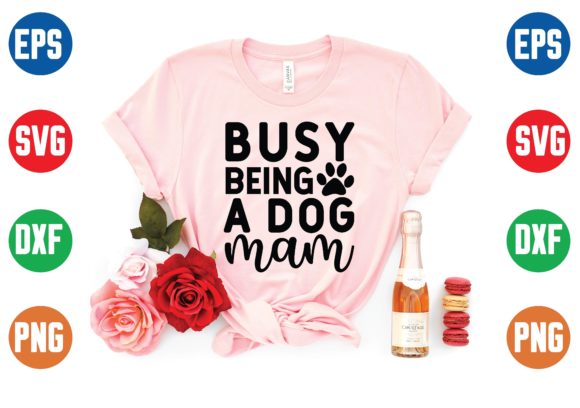
Busy Being a Dog Mam SVG
A Designer’s First Look: Charm with a Slight Quirk
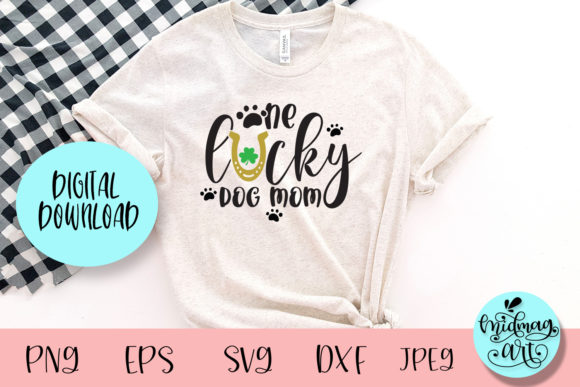
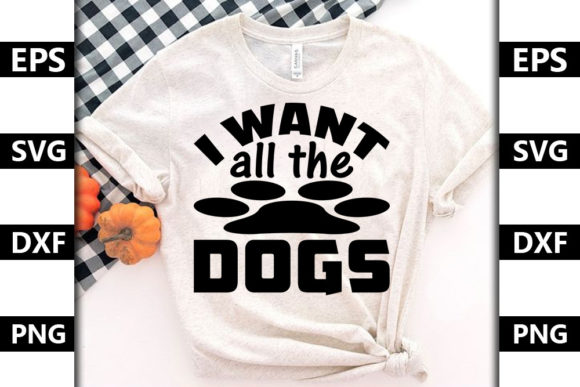
When Busy Being a Dog Mam SVG popped up in my design queue, I paused—not because it’s flashy, but because it’s disarmingly warm. It’s got that hand-drawn, slightly imperfect charm many embroidery designers chase: friendly lettering, a playful dog motif (likely simplified and stylized), and a gentle, inclusive energy. It doesn’t scream “trendy”—it whispers “I get you.” As a designer who’s stitched hundreds of pet-themed pieces for Etsy shops and local boutiques, I immediately pictured this on a soft cotton tote bag—something a dog-loving mom might carry to the park or farmers’ market. Not a logo. Not a statement tee. A quiet, confident nod to identity.
Where This Design Truly Lives: Real Projects, Real Fabric
I tested Busy Being a Dog Mam SVG across three real-world scenarios: a medium-weight organic cotton sweatshirt, a linen-blend kitchen towel, and a lightweight baby onesie. On the sweatshirt? It held up beautifully—clean lines, balanced spacing, no overcrowding. The lettering sat comfortably at 3.5 inches wide, ideal for left-chest placement without swallowing the garment. On the tea towel, the design translated well into a subtle, repeat-friendly embroidered monogram-style accent near the hem. But on the onesie? That’s where attention matters. The dog graphic—while sweet—isn’t overly simplified. Tiny ears or collar details risk stitching poorly on ultra-fine knit without proper stabilizer and reduced stitch density.
This isn’t a one-size-fits-all machine embroidery design. It shines brightest as a personalized gift or small-batch handmade product: think embroidered aprons for dog trainers, pillow covers for vet clinics, or custom patches sewn onto denim jackets. It also works well as a tote bag design or holiday embroidery piece—especially around National Dog Day or Mother’s Day—where emotional resonance matters more than pixel-perfect precision.
Fabric & Fit: Know When to Lean In—and When to Step Back
Busy Being a Dog Mam SVG performs reliably on stable, medium-weave fabrics like canvas, twill, and midweight cotton. But tread carefully with stretchy knits (think jersey tees) unless you’re using cutaway stabilizer and reducing pull compensation. On dark fabric, the contrast depends entirely on your thread choice—test black lettering with cream thread, or navy with gold, before committing. And avoid dense fill-stitch areas over curved surfaces like caps or baby hats; the design’s layout suggests flat application, not 3D contouring.
It’s not built for micro-embroidery. If you’re planning a tiny 1.5-inch version for a keychain or baby bib, inspect the file closely: check whether the dog’s eyes or paw details are vector-based or raster-dependent, and whether fine lines will collapse under standard satin stitch settings. For commercial embroidery, always run a test stitch on scrap fabric first—especially if you’re batching for an Etsy seller or local pet boutique.
Stitch Clarity = Customer Trust
In handmade markets, clarity builds credibility. A muddy “Mam” or a dog shape that blurs into fuzz tells customers the maker rushed—or didn’t test. With Busy Being a Dog Mam SVG, the phrase is legible at 2.75 inches and above. Below that, the “a” and “m” pair can visually merge unless you adjust letter spacing manually. That’s not a flaw—it’s a design cue. It reminds you this is meant to be seen, not scrutinized. Which means it suits relaxed branding: cozy coffee shops, indie pet supply stores, or mom-run craft fairs—not corporate merch or high-end apparel lines.
What This Design Adds (and Doesn’t Add) to Your Craft Business
As a digital embroidery file, Busy Being a Dog Mam SVG brings instant relatability—not novelty. That’s valuable. Customers don’t buy “dog mom” slogans because they’re clever; they buy them because they feel seen. For an Etsy seller or small shop product, pairing this with a well-stitched mockup (try a light gray crewneck with off-white thread) boosts perceived value faster than adding glitter or extra fonts.
But it won’t replace strong brand voice. If your shop leans minimalist, this may feel too playful. If you specialize in vintage botanicals or modern typography, it might clash. Use it intentionally—not as filler. Think of it as a seasonal staple, like a well-cut chambray shirt: versatile, dependable, quietly expressive.
Practical Designer Notes Before You Stitch
- Always test on scrap fabric matching your final garment’s weight and stretch.
- Review stitch density—if the dog element uses heavy fill stitches, reduce density by 10–15% for knits or lightweight linens.
- Check hoop size compatibility early. Some versions of this design may require a 4x4 hoop minimum; confirm before loading.
- Inspect corners and curves: does the dog’s tail or ear end in a sharp point? Those often need manual smoothing in your embroidery software to prevent thread breaks.
- Use proper stabilizer: tear-away for stable wovens, cutaway for knits, and fusible + tear-away for towels or napkins.
- Compare how it reads in black and white mockups—some color combos hide letterforms, especially with low-contrast thread.
- Verify licensing: since it’s labeled “possible to use for men, women, kids, baby,” confirm whether resale of finished items is permitted—many digital embroidery files allow it, but always double-check.
Final Thought: A Design That Earns Its Place
Busy Being a Dog Mam SVG won’t win awards for technical innovation—but it earns its place in a working designer’s library because it connects. It fits naturally into custom apparel, embroidered patch collections, and personalized gift lines without demanding perfection from the maker or the machine. It’s forgiving, adaptable, and emotionally precise. Just remember: its strength lies in authenticity, not complexity. Let it breathe on the fabric. Choose thread colors that feel lived-in, not loud. And when a customer smiles while unboxing their new sweatshirt or baby blanket? That’s the quiet ROI no algorithm measures—but every craft business feels.