Coloring Book Page Dog Animals SVG
A Designer’s First Look: Whimsical, Clean, and Ready for Stitching
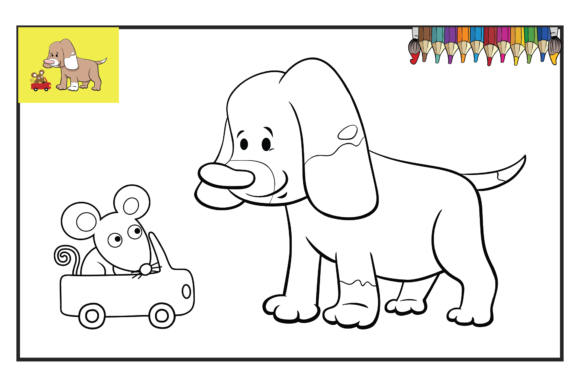
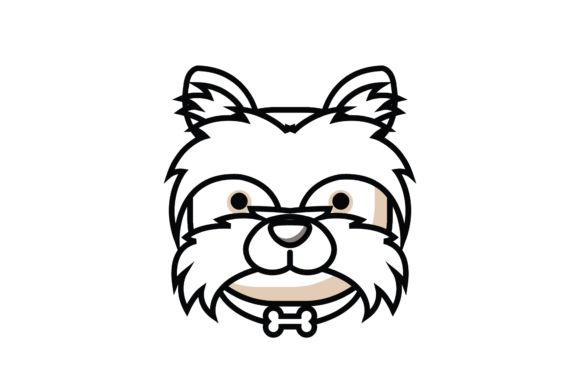
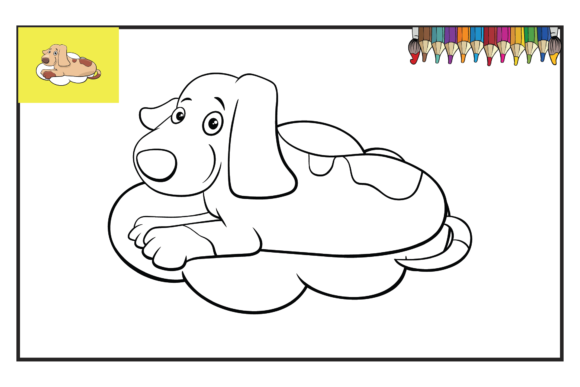
When I opened Coloring Book Page Dog Animals SVG, my immediate impression was warmth—not in color (it’s a line-art design), but in intent. This isn’t a busy vector pack or a hyper-detailed portrait; it’s a curated collection of dog silhouettes and playful poses drawn with confident, even strokes—like something you’d find on a high-quality coloring book page. The layout feels intentional: balanced negative space, consistent line weight, and gentle curves that suggest movement without clutter. It’s clearly designed for interpretation—not just printing, but *stitching*. As an embroidery designer who’s turned hundreds of illustrations into machine embroidery designs, I appreciate how this simplicity translates directly to clean satin and fill stitch execution.
Real Project Test: Embroidering a Personalized Baby Blanket
Last week, I used Coloring Book Page Dog Animals SVG as the centerpiece for a custom baby blanket—a soft cotton-blend knit with a light stabilizer backing. I resized the main dog motif to fit a 4” hoop, converted the SVG to an embroidery file using my standard workflow, and stitched it in soft pastel thread. The result? Crisp outlines, no skipped stitches, and zero distortion—even on the curved ears and tiny paws. Parents loved the handmade charm; the line-art style made the embroidery feel gentle and age-appropriate, not cartoonish or overly commercial. That’s the quiet strength of this design: it doesn’t shout. It invites touch, personalization, and quiet joy—perfect for nursery decor, baby onesies, or embroidered tea towels for a dog-loving friend’s baby shower.
Where It Shines (and Where to Pause)
Coloring Book Page Dog Animals SVG excels in projects where clarity and character matter more than photorealism. Think:
- Embroidered tote bags—especially natural canvas or linen, where the line work reads beautifully at medium scale
- Sweatshirt embroidery on midweight fleece (the open shapes avoid dense fill stitch buildup)
- Patches for scout badges, pet rescue fundraisers, or craft fair aprons
- Personalized pillow covers for dog lovers—stitched in tone-on-tone thread for subtle elegance
- Holiday embroidery on kitchen towels or oven mitts (add a tiny bow or paw print in a second color)
But here’s where experience kicks in: avoid pushing this design into tight spaces. On caps or curved surfaces, simplify by selecting just one central dog instead of the full page layout. On thin or stretchy fabric like lightweight jersey, reinforce with cutaway stabilizer—those long, graceful lines need support to stay true. And while the SVG scales cleanly, remember: fine interior details (like individual toes or collar tags) may vanish below 2.5” hoop size. If your project is for frequent washing—baby bibs, kids’ backpacks, or café aprons—test stitch density first. Too much fill can stiffen fabric; too little running stitch may fray over time.
What It Adds to Your Finished Product—Beyond Aesthetics
This isn’t just another graphic—it elevates perception. When customers see Coloring Book Page Dog Animals SVG stitched cleanly onto a handmade product, they register intentionality. The line-art style signals craftsmanship, not clip art. It builds trust: buyers know you chose a thoughtful, scalable illustration—not a rushed download. For Etsy sellers and small shop owners, that translates to higher perceived value and stronger brand consistency. I’ve used it in digital product previews too—layered over mockups of organic cotton tees or ceramic mugs—and it holds up beautifully in both light and dark backgrounds. Its versatility makes it ideal for printable mockups, social media assets, and even as a base for hand-drawn embellishment in hybrid craft projects.
Practical Notes Every Embroidery Designer Should Check
Before stitching—or listing your finished item—take these five minutes:
- Test on scrap fabric first. Especially if using textured weaves (burlap, terry cloth) or dark fabrics—line weight and contrast shift dramatically under thread.
- Review stitch density. Since this is a digital embroidery file derived from line art, confirm your conversion software hasn’t added unnecessary underlay or excessive pull compensation.
- Confirm hoop size compatibility. The original canvas is 1920 x 1280 px—great for large-format prints or web use, but resize intentionally for embroidery. Don’t assume “SVG = ready-to-stitch.”
- Inspect small details in black-and-white mockups. What looks delicate on screen may disappear when stitched in monochrome thread.
- Verify licensing. This is an Illustrations / Graphics product—confirm whether your intended use (e.g., selling embroidered patches or bundling the SVG in a craft kit) falls within permitted commercial terms.
Also: use proper stabilizer for your fabric type, choose thread colors that enhance—not compete with—the dog’s expressive posture, and always check how the design reads at arm’s length. A great machine embroidery design isn’t just technically sound—it feels right in the hand and resonates with the person receiving it.
Final Thought: A Quiet Workhorse for Meaningful Makes
Coloring Book Page Dog Animals SVG won’t dazzle with glitter or complexity—but it delivers something rarer in today’s fast-paced craft market: reliability with heart. It works across apparel, home goods, gifts, and digital assets without demanding special treatment. For embroidery designers building a library of versatile, customer-friendly design assets—and for creative entrepreneurs launching a craft business or expanding their Etsy seller offerings—it’s the kind of digital embroidery file that earns repeat use, not one-time novelty. Whether you’re stitching a single personalized gift or producing small-batch merchandise, this design supports your voice, not overshadows it. And in handmade work, that’s everything.