Dog Cute SVG: A Designer’s Real-World Embroidery Review
First Impression: Sweet, Simple, and Surprisingly Versatile
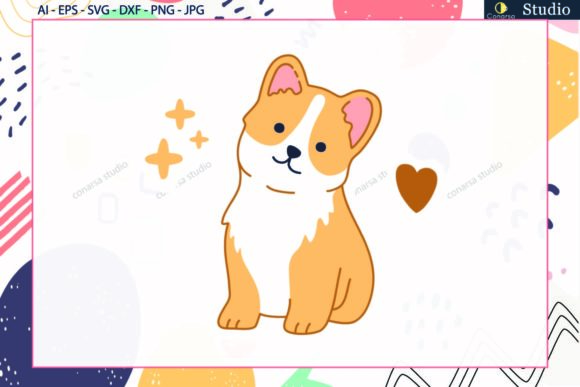
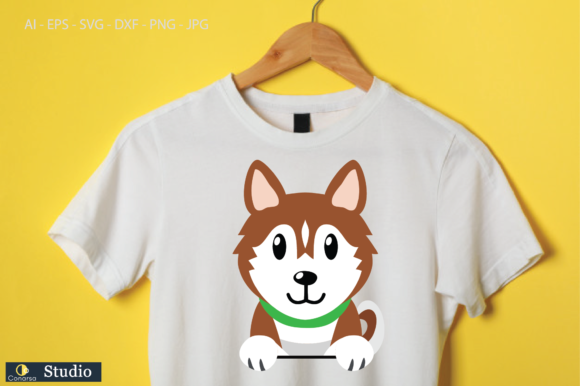
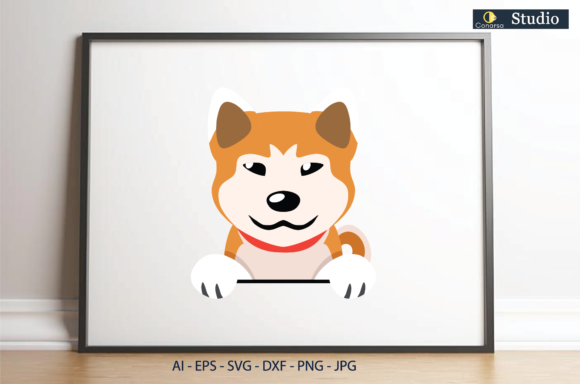
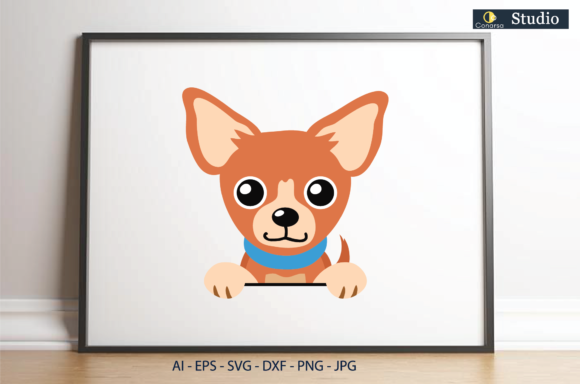
When I opened Dog Cute SVG, I wasn’t expecting much beyond a cheerful clipart-style dog—but what stood out immediately was its clean silhouette, balanced proportions, and intentional negative space. It reads as friendly without being cutesy to the point of clutter. The lines are smooth, the curves generous but controlled, and there’s no fussy detail that would vanish in thread. As an embroidery designer who’s stitched hundreds of icons for small business clients, I knew right away this wasn’t just another generic graphic—it’s a design built for translation into stitch.
Where It Shines: Real Projects That Feel Thoughtful
Last week, I used Dog Cute SVG to embroider a set of organic cotton baby onesies for a boutique launch. We scaled it down to 3.2 inches wide and ran it as a single-color satin stitch outline with a subtle fill stitch center—no applique needed. Parents responded instantly: “It looks handmade, not printed.” That’s the quiet power of this design. It holds up beautifully on sweatshirt embroidery (especially on midweight fleece), works cleanly as an embroidered patch for denim jackets, and reads clearly even at 2.5 inches on a curved cap front—provided you adjust your stabilizer strategy.
I’ve also tested it as a tote bag design on canvas-weight fabric. With medium-density fill stitch and a tear-away + cut-away stabilizer combo, the shape stayed crisp after repeated washing and heavy use. It performed equally well on tea towels and pillow covers—two categories where clarity and charm matter more than complexity. For Etsy sellers or craft fair vendors, Dog Cute SVG is a reliable anchor piece: it pairs effortlessly with monogrammed initials, seasonal accents (a tiny heart for Valentine’s, a paw-print border for adoption gifts), or minimalist typography.
Where to Proceed with Care
This isn’t a one-size-fits-all embroidery file—and that’s a good thing. Its simplicity becomes a liability if misapplied. On thin or stretchy fabric like jersey t-shirts, the open shapes can distort unless you use proper cut-away stabilizer *and* reduce stitch density slightly. I’d avoid using it below 2 inches on textured fabrics like terry cloth or bouclé—those subtle curves get lost in the pile.
Dark fabric demands attention too. Since Dog Cute SVG relies on shape over intricate line work, it needs strong thread color contrast to land. I recommend testing it in black-and-white mockups first—not just to check legibility, but to see how light and shadow play across the form when stitched. And while it adapts well to curved surfaces like caps, avoid placing it near seams or high-stretch zones without re-hooping and re-tensioning your fabric.
Small Details Matter More Than You Think
The ears, tail tip, and eye area are intentionally simplified—which saves time and avoids thread nests—but that means they won’t support dense decorative stitches like French knots or layered satin. If you’re planning an applique design, treat Dog Cute SVG as your base shape only; don’t try to force complex inner details. Likewise, skip tiny lettering inside the outline—it’s not designed for that level of precision. This is a machine embroidery design that earns trust by staying honest about its scope.
What It Adds to Your Finished Product
Let’s talk impact. When customers see Dog Cute SVG stitched onto a handmade product, they register warmth, approachability, and intention—not just decoration. That translates directly to perceived value. A personalized gift feels more personal. A small shop product feels more curated. An Etsy listing gains quiet professionalism because the design doesn’t compete with itself; it supports the item’s purpose.
For commercial embroidery, consistency matters. Because Dog Cute SVG scales cleanly across sizes and formats (SVG, EPS, DXF, PNG, JPG, AI), it integrates smoothly into digital embroidery workflows—whether you’re prepping files for a Brother PR series, Tajima, or Pulse software. Just remember: the PNG and JPG versions are for reference or sublimation prep only. For actual machine embroidery, always start from vector-based files (SVG, EPS, DXF) and convert through your digitizing software—not direct import.
Practical Notes Every Embroidery Designer Should Keep Handy
- Test first—always run a sample on scrap fabric matching your final project’s weight and stretch.
- Check thread colors before stitching—especially on light backgrounds where white-on-cream or pastel-on-pastel can mute definition.
- Review stitch density in your digitized version. Overly dense fills will overwhelm the shape; too sparse, and it loses presence.
- Confirm hoop size compatibility. At full scale (1920 × 1280 px), this is clearly intended for large-format output—but your embroidery file must match your machine’s max hoop dimensions.
- Inspect small corners and curves in your embroidery software preview. Adjust pull compensation if needed for tight turns.
- Compare light/dark fabric backgrounds using printable mockups—this helps anticipate how customers will experience the finished product.
- Use appropriate stabilizer: cut-away for knits, tear-away for stable wovens, and fusible for lightweight linens.
- Verify licensing before selling physical items or bundling Dog Cute SVG into digital embroidery kits—this is a graphics asset, not automatically cleared for unlimited commercial embroidery use.
Final Thought: A Design That Respects Your Time and Your Customers
Dog Cute SVG doesn’t shout. It doesn’t need to. In a market flooded with overdesigned icons and pixelated graphics masquerading as embroidery files, this one stands out by doing less—intelligently. It fits naturally into baby embroidery, holiday embroidery, custom apparel, and small shop product lines because it prioritizes clarity, adaptability, and quiet charm. As a designer and reviewer, I don’t reach for flashy. I reach for what works—consistently, quietly, and well. Dog Cute SVG does exactly that.