Dog Face SVG: A Designer’s Real-World Embroidery Review
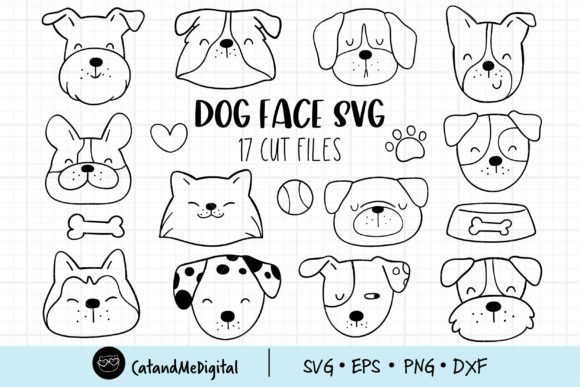
As someone who’s stitched hundreds of custom pieces—from boutique baby onesies to Etsy shop merchandise—I opened Dog Face SVG expecting charm, but what stood out immediately was its quiet versatility. It’s not flashy or overly detailed; it’s a clean, expressive illustration with gentle curves and balanced negative space—exactly the kind of Illustrations that translate well from screen to thread without fighting your machine.
Last week, I used it as the centerpiece for a custom embroidered tote bag destined for a local dog rescue’s volunteer appreciation event. The client wanted something warm, recognizable at a glance, and soft enough for everyday use—not cartoonish, not clinical, just friendly. Dog Face SVG landed perfectly: the rounded snout, subtle ear shape, and open-but-gentle expression read as approachable across age groups and fabric types. No need to over-edit or simplify—it arrived ready for real work.
Where This Design Truly Shines
Dog Face SVG isn’t built for high-detail realism. It’s designed for clarity, scalability, and emotional resonance—and that makes it ideal for:
- Embroidered patches (especially for scout groups, pet sitters, or vet clinics)
- Sweatshirt embroidery on midweight fleece—its proportions hold up beautifully at 3.5"–4.5" wide
- Baby embroidery on onesies and burp cloths—the simplicity avoids overwhelming delicate fabrics
- Tote bag design where legibility matters at arm’s length
- Aprons and kitchen towels, where a cheerful, non-distracting motif adds personality without clutter
- Holiday embroidery on pet-themed stockings or gift tags—pair it with a simple bow or paw print for instant cohesion
It also works well as part of a larger digital embroidery file collection. Because it’s offered as 17 SVG files, you can easily layer it with text, frames, or seasonal elements—say, “Best Dog Mom Ever” in a clean sans-serif, or tiny bone motifs as corner accents. That flexibility is gold for Etsy sellers and small shop products needing consistent branding across multiple SKUs.
Where to Use It Thoughtfully
Even strong designs have boundaries—and knowing them saves time, thread, and customer trust. With Dog Face SVG, here’s where I pause and plan:
- Small hoop sizes: Below 3", the inner eye detail and subtle nose contour start to compress. If stitching for keychains or cap brims, test stitch density first—you may want to simplify or omit fine interior lines.
- Textured or stretchy fabric: On terry cloth towels or jersey knit tees, stabilize generously. The design’s smooth curves rely on even tension—without proper stabilizer, the satin stitch around the muzzle can pucker or shift.
- Dark fabric: The original SVG doesn’t include outlines or drop shadows, so on navy or charcoal, consider adding a thin white running stitch border during digitizing—or choose high-contrast thread colors like lime, cream, or pale yellow for visibility.
- Curved surfaces: Caps and curved pillow covers require careful hooping and possibly reduced stitch density in the ear area. The ears are proportionally generous—great for impact, but they’ll need extra stabilization on round substrates.
- Frequent-wash items: For baby bibs or kitchen towels, avoid ultra-thin fill stitches. A slightly denser fill or satin-stitched outline improves durability without sacrificing softness.
What It Adds to Your Finished Product
This isn’t just about how it stitches—it’s about how it lands with people. Dog Face SVG elevates a handmade product by reading as intentional, not generic. Customers notice when a design feels *designed*, not just downloaded. Its balance of warmth and restraint builds customer trust: it signals care in curation, which matters whether you’re selling on Etsy or gifting to a friend’s new puppy owner.
For craft business owners, it supports brand consistency. You can use it across product lines—embroidered patch + tea towel + printable mockup—with the same visual anchor. And because it’s neutral enough to pair with many palettes, it scales well across seasons: add red/green thread for holidays, pastels for spring, or earth tones for fall—no redesign needed.
It also boosts giftability. Unlike trend-heavy graphics that date quickly, this has quiet staying power. A mug with Dog Face SVG won’t feel dated in six months. A nursery pillow cover won’t clash with changing decor. That longevity translates directly to repeat buyers and word-of-mouth referrals.
Practical Notes Every Embroidery Designer Should Check
Before committing to Dog Face SVG for a client job or shop launch, here’s my checklist—based on years of missteps and makeovers:
- Test on scrap fabric first—especially if using textured weaves or blends.
- Review stitch density in the face outline and ear fill. Overly dense areas can stiffen lightweight fabrics.
- Confirm hoop size compatibility with your most-used hoops. Does it fit comfortably within your standard 4x4 or 5x7 without tight margins?
- Inspect small details at actual stitch-out scale—not just on screen. The nose line and inner eye should remain distinct, not merge into a blob.
- Test black-and-white mockups. Does it retain character in monochrome? (Spoiler: yes—but only if your digitizer respects its proportions.)
- Compare light vs. dark fabric backgrounds. Some SVGs lose definition on black; this one holds up well, but always verify with your thread palette.
- Use proper stabilizer—tear-away for stable wovens, cut-away for knits, and medium-weight for totes and bags.
- Check licensing before selling finished items or bundling Dog Face SVG into digital product kits. Since it’s listed as a Graphics download, confirm commercial use terms directly with the seller.
In short: Dog Face SVG earns its place in a working designer’s library—not because it’s trendy, but because it’s dependable, adaptable, and quietly thoughtful. It’s the kind of machine embroidery design that disappears into the product while making it better. Whether you’re stitching for joy, clients, or commerce, it’s a smart, human-centered choice.