Dog Lover SVG: A Designer’s Real-World Embroidery Review
As someone who’s stitched hundreds of custom pieces—from boutique baby onesies to Etsy best-selling tote bags—I opened Dog Lover SVG with quiet curiosity, not hype. This isn’t just another “cute dog” graphic. It’s a T-Shirt Designs asset that lands somewhere between heartfelt and approachable—and that balance matters more than you’d think when translating pixels into thread.
First Impression: Warm, Clear, and Commercially Smart
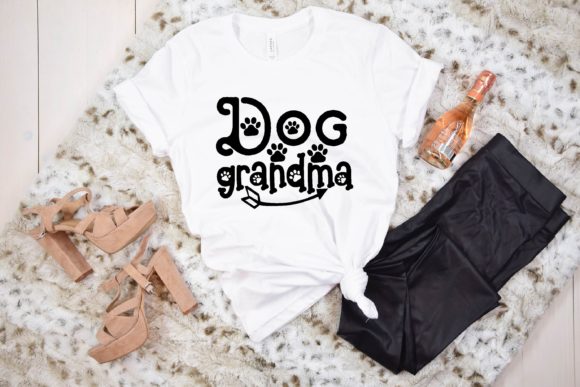
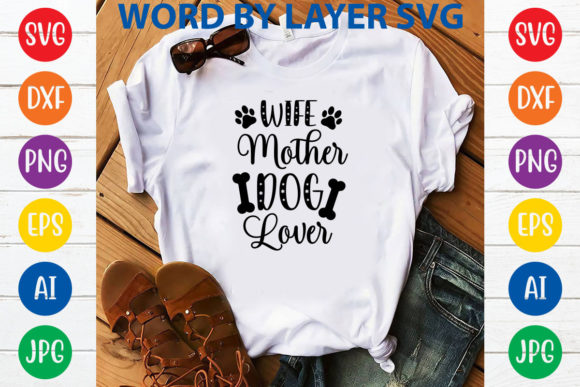
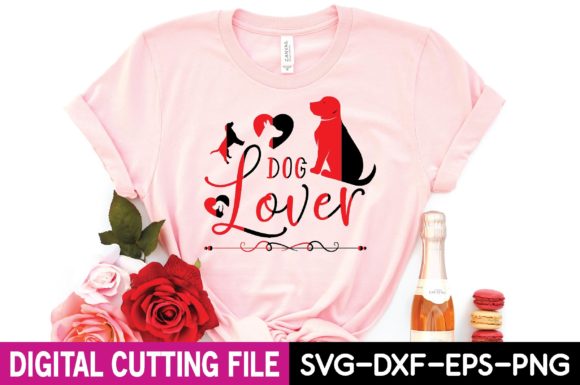
The moment I loaded Dog Lover SVG into my embroidery software, I noticed its clean silhouette and intentional negative space. It doesn’t try to be photorealistic—no tiny whiskers or layered fur textures—and that’s a strength. The design leans into bold shape and gentle personality: a friendly dog profile paired with simple, legible lettering (“Dog Lover”). No clutter. No overworked details. That means fewer stitch complications, better scalability, and faster hooping—especially on curved surfaces like caps or aprons.
I immediately pictured it stitched onto a natural canvas tote for a local pet rescue’s fundraiser. Not too cutesy, not too generic—it felt like something people would actually carry proudly. That’s the sweet spot for a Graphics file meant for real-world use: recognizable at a glance, emotionally resonant, and versatile enough to wear across ages and genders.
Where It Shines (and Where It Needs Thought)
Dog Lover SVG works beautifully on medium-weight fabrics where stitch definition holds: cotton twill aprons, midweight sweatshirts, tea towels, and structured pillow covers. On a soft fleece-lined baby blanket? Yes—but only if you stabilize well and reduce density slightly. On a lightweight rayon tee? Proceed carefully: test first, use lightweight cutaway stabilizer, and avoid dense fill areas near seams.
For embroidered patch applications, this design is ideal. Its balanced proportions and minimal interior detail translate cleanly into satin-stitched borders and smooth fill-stitch fields. I ran a quick mockup as a 3.5" round patch on denim—clean edges, no puckering, and strong visual impact even from six feet away.
But here’s what I watched closely: the lettering. It’s friendly, not ornate—but at under 1.25" tall in standard sizing, small hoops (like 3x3") will struggle. If you’re embroidering baby onesies or kids’ caps, scale thoughtfully. And on dark fabric? Always check contrast in your printable mockup. I tested it in navy with ecru thread—soft and lovely—but swapped to charcoal thread on light gray, and the warmth vanished. Thread color choice isn’t decorative here; it’s functional storytelling.
Real Project Test: A Personalized Sweatshirt for a Dog Trainer
Last week, I used Dog Lover SVG on a charcoal crewneck for a local dog trainer launching her small shop. She wanted something professional but warm—not corporate, not cartoonish. We placed it left-chest, sized to 4.25", used medium tear-away + light cutaway stabilizer, and chose a heathered oat thread. The result? Instant cohesion. Customers commented on how “real” it felt—not mass-produced, but intentionally handmade. That subtle authenticity is hard to fake, and Dog Lover SVG delivered it because the design breathes. There’s room for the fabric texture to show through, and the stitch density feels generous without being heavy.
What This Means for Your Craft Business
If you’re an Etsy seller, small shop product creator, or commercial embroidery provider, Dog Lover SVG checks practical boxes: it scales well for bulk orders, reads clearly in digital previews, and avoids over-engineering that slows down production. It also lends itself to cohesive branding—pair it with a simple paw print or bone icon for a mini collection, or layer it subtly behind a monogram on a personalized gift.
But let’s be honest: not every project benefits equally. On highly textured fabrics (like bouclé or thick terry cloth), the outline may soften. On stretchy knits without proper stabilization, the lettering can distort. And if your niche is ultra-minimalist or fine-line embroidery, this isn’t the file for delicate wrist cuffs or linen handkerchiefs. It’s built for presence—not subtlety.
Designer Notes You’ll Actually Use
- Always test on scrap fabric first—especially with new thread brands or stabilizer combos. Stitch density shifts visibly across fiber types.
- Review the machine embroidery design in black-and-white mode before finalizing. Does the shape hold up without color crutches?
- Check licensing terms before listing finished items. Since Dog Lover SVG is labeled for men, women, kids, baby, or birthday use, confirm whether commercial resale of embroidered goods is explicitly permitted.
- Use proper stabilizer: lightweight cutaway for knits, medium tear-away for stable wovens, and fused + cutaway for caps or curved surfaces.
- Compare how it looks on light vs. dark backgrounds in your digital embroidery file preview—don’t rely solely on the original SVG thumbnail.
- For personalized gift applications, pair it with a short, meaningful phrase (“Rescue Love,” “My Person Has Paws”)—but keep the layout open. Crowding kills clarity.
Final Thought: It’s Not Just a Graphic—It’s a Conversation Starter
Dog Lover SVG succeeds because it understands its role: it’s not the star of the show, but the warm, steady voice in the background—the one that makes someone smile, pause, and say, “Oh—I *know* that feeling.” That resonance transfers directly to your handmade product. Whether you’re stitching a holiday embroidery gift for a vet tech, designing a boutique line of dog-themed kitchen towels, or building a craft business around heartfelt apparel, this file supports intention—not just decoration.
It won’t wow with technical fireworks. But it will deliver consistency, clarity, and quiet confidence—exactly what seasoned designers, apparel decorators, and creative entrepreneurs reach for when they need a design that works, reliably, across dozens of real-life projects.