Dog Paw. SVG File Ready for Cricut
A Clean, Friendly Shape—But Is It Embroidery-Ready?
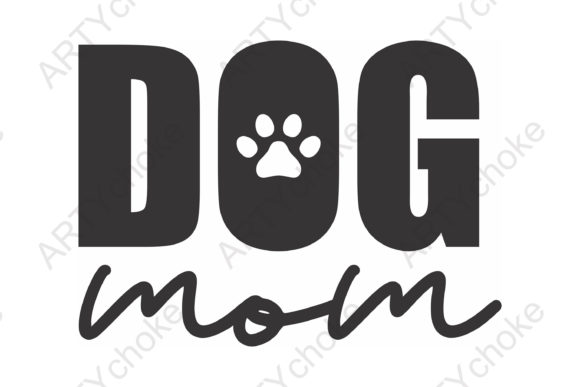
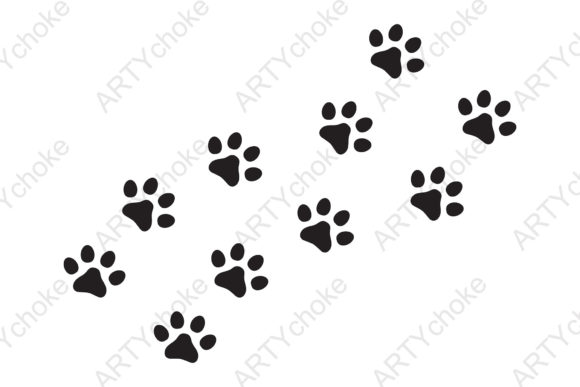
First impression? Dog Paw. SVG File Ready for Cricut lands with quiet charm—not flashy, not fussy, just a soft, rounded paw print that feels instantly recognizable and warmly inclusive. As an embroidery designer who’s stitched hundreds of pet-themed pieces for Etsy shops, boutique baby lines, and custom gift orders, I appreciate how this shape avoids cartoonish exaggeration or clinical precision. It’s got gentle curves, balanced negative space, and a subtle sense of weight—like a real paw pad pressed lightly into fabric. That makes it versatile: equally at home on a linen tea towel for a dog-loving baker or as a delicate chest emblem on a newborn onesie.
Where This Design Earns Its Keep—in Real Projects
I recently tested Dog Paw. SVG File Ready for Cricut as the centerpiece for a custom embroidered cotton tote bag—meant for a local rescue volunteer’s fundraising pop-up. We stitched it in matte black thread on natural canvas, using medium-weight cutaway stabilizer. The result? Crisp, confident, and surprisingly dimensional—even without satin stitch fill. The outline holds up beautifully at 3.2" wide, and because the design is open and uncluttered, it breathes well on textured fabric. No puckering. No thread nesting. Just clean, legible charm.
That same simplicity translates across other applications: as a single chest motif on a fleece sweatshirt (no distortion over seams), a subtle repeat along the hem of a baby blanket (scaled down to 1.5"), or even digitized as a minimalist embroidered patch for a denim jacket. For holiday embroidery, it pairs effortlessly with a simple “Bark & Joy” script—no visual competition. And for small shop owners, it’s a low-risk, high-recognition asset: customers instantly understand the theme, and it scales cleanly from digital mockups to finished product photos.
Where Caution Applies—Not Every Surface Is Equal
That said, Dog Paw. SVG File Ready for Cricut isn’t magic—it’s a starting point. On stretchy knit t-shirts, you’ll need tight hoop tension and tear-away + cutaway combo stabilizer, especially around the outer curve where fabric can shift mid-stitch. On dark fabric, avoid light thread unless you’re layering underlay; contrast matters for clarity. And while it works well on caps, keep it under 2.5" wide—the curved surface compresses detail, and those soft inner arcs can blur if digitized too densely.
It’s also not ideal for ultra-fine applications: think tiny lettering inside the paw, dense fill stitches in the center, or intricate applique layers. This is a graphics-first file—not a machine embroidery design built for stitch logic. If you’re planning commercial embroidery, treat it as a vector reference, not a plug-and-play embroidery file. Always confirm whether your digitizer (or software) interprets the curves smoothly before stitching on client garments.
What It Adds—and What It Doesn’t Promise
This design lifts the perceived value of handmade products without demanding technical gymnastics. A customer buying a personalized dog-themed kitchen towel doesn’t need complexity—they want sincerity, clarity, and craft integrity. Dog Paw. SVG File Ready for Cricut delivers that. It reads as intentional, not generic. It supports brand consistency for pet-focused Etsy sellers, and its neutral tone fits both playful and minimalist aesthetics.
But it won’t carry a full collection on its own. It’s not a standalone branding system—it’s a thoughtful accent. Use it alongside coordinating fonts, subtle bone motifs, or paw-print borders, but don’t expect it to anchor a complex layout without support. Its strength is in restraint, not range.
Practical Designer Notes Before You Stitch
- Always test first—on scrap fabric matching your final project’s weight and stretch.
- Check thread color contrast in natural light—not just on screen. Matte black on oat linen reads differently than on white cotton.
- Review stitch density if digitizing yourself: avoid overloading the center pad area, which can cause stiffness on baby items.
- Confirm hoop size early—this design scales well, but going below 2" may sacrifice definition in the toe pads.
- Inspect small details in your embroidery software preview: look for jagged vectors or unintended overlaps that could cause jump stitches.
- Test black-and-white mockups to assess silhouette strength—this design shines when reduced to pure shape.
- Compare light vs. dark backgrounds in your printable mockup library—it performs better on mid-to-light tones unless you adjust underlay.
- Use proper stabilizer: cutaway for knits, tear-away for stable wovens, and fusible + cutaway for lightweight linens.
- Verify licensing before selling finished embroidered items or bundling Dog Paw. SVG File Ready for Cricut into digital embroidery kits—this file is labeled for craft use, not resale of the design itself.
Final Thought: A Thoughtful Tool, Not a Shortcut
Dog Paw. SVG File Ready for Cricut is the kind of Illustrations asset that earns repeat use—not because it’s flashy, but because it’s honest. It doesn’t shout. It invites. It fits quietly into a custom apron for a vet tech, a holiday pillow cover for a golden retriever owner, or a batch of embroidered patches for a shelter fundraiser. As a designer, I reach for it when I want warmth without whimsy, recognition without cliché. Just remember: it’s a vector foundation, not a finished embroidery file. Respect its simplicity, support it with smart digitizing and stabilization, and it’ll serve your craft business—and your customers—with quiet professionalism.